September 17, 2026
Mature trees are crucial components of our natural and urban environments, providing ecological, aesthetic, and economic benefits. Proper and consistent maintenance is essential to ensure their health and preserve their benefits over time. By understanding and implementing regular care practices, we can extend the life of these valuable natural assets.
Mature trees play significant roles in supporting local wildlife, reducing urban heat, and increasing property values. However, without consistent maintenance, these trees can become hazards, lose their aesthetic beauty, and decline in health. This article explores the necessity of continued care for mature trees, outlining the key reasons why maintenance is indispensable.
Through strategic pruning, disease management, and soil enhancement, mature trees can thrive for decades longer than neglected specimens. Consistent maintenance not only aids in the immediate health of the tree but also bolsters the ecological and economic health of the surrounding community. Let's delve deeper into the various facets of mature tree care.
1. Enhancing Tree Health
1.1 Importance of Regular Pruning
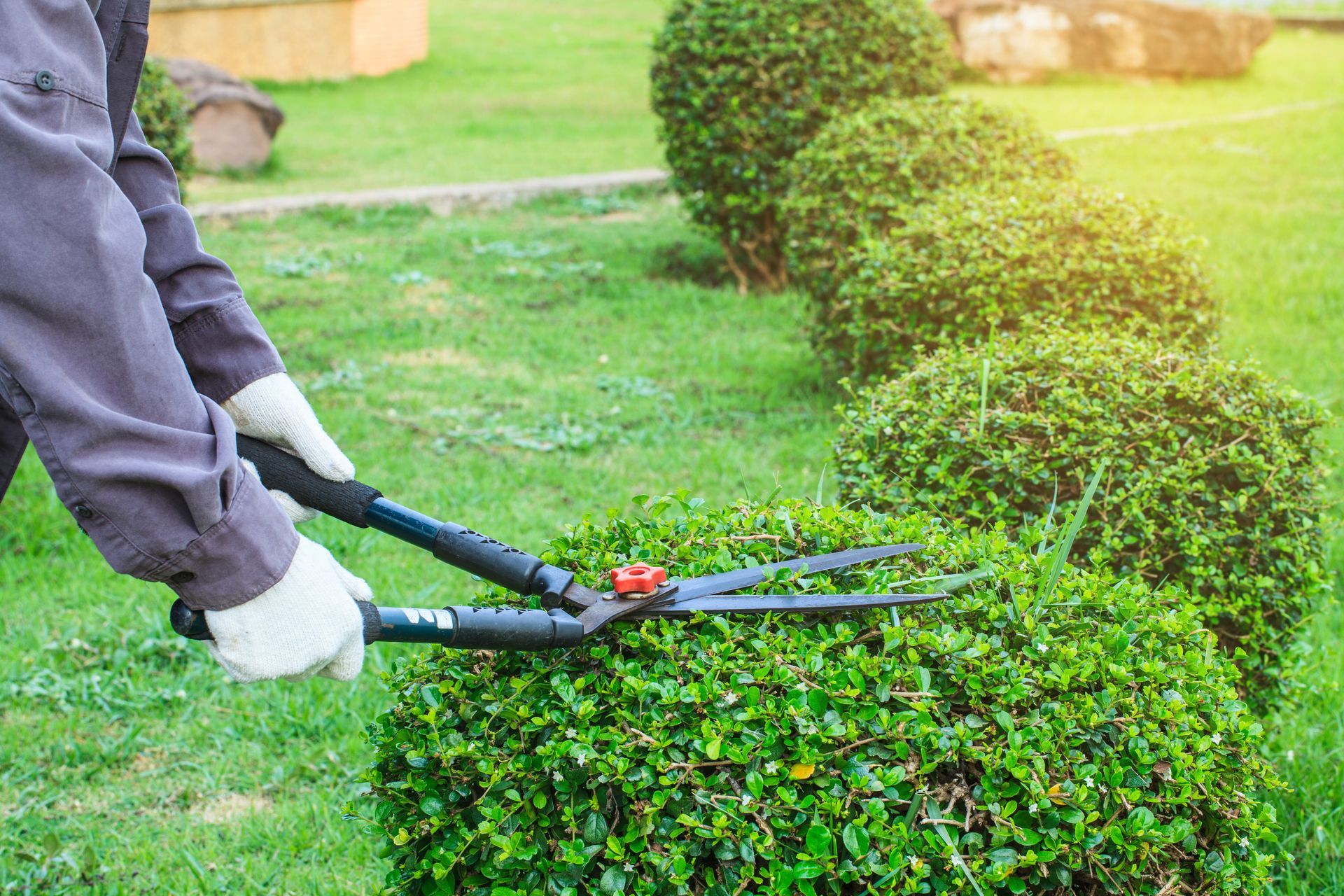
Regular pruning is a cornerstone of tree maintenance that contributes significantly to the overall health of mature trees. By trimming away dead or diseased branches, pruning helps to prevent the spread of disease and insect infestations within the tree. According to Lawn Love, most trees generally need trimming every 3 to 5 years to maintain their structural integrity and health. Additionally, pruning encourages new growth by stimulating dormant buds and reducing competition for resources among branches. Through targeted pruning practices, tree health is invigorated, promoting longevity and vibrancy.
Pruning also plays a critical role in sunlight penetration and air circulation within the tree's canopy. These factors are essential for reducing the likelihood of mold and mildew, which thrive in dark, damp environments. Moreover, proper pruning techniques ensure that the tree grows in a balanced and aesthetically appealing manner, fostering both health and beauty. When done correctly, pruning can alter or enhance a tree’s natural form, supporting its health and its role within the landscape. The importance of regularly scheduled pruning cannot be overstated when it comes to maintaining the vitality and longevity of mature trees.
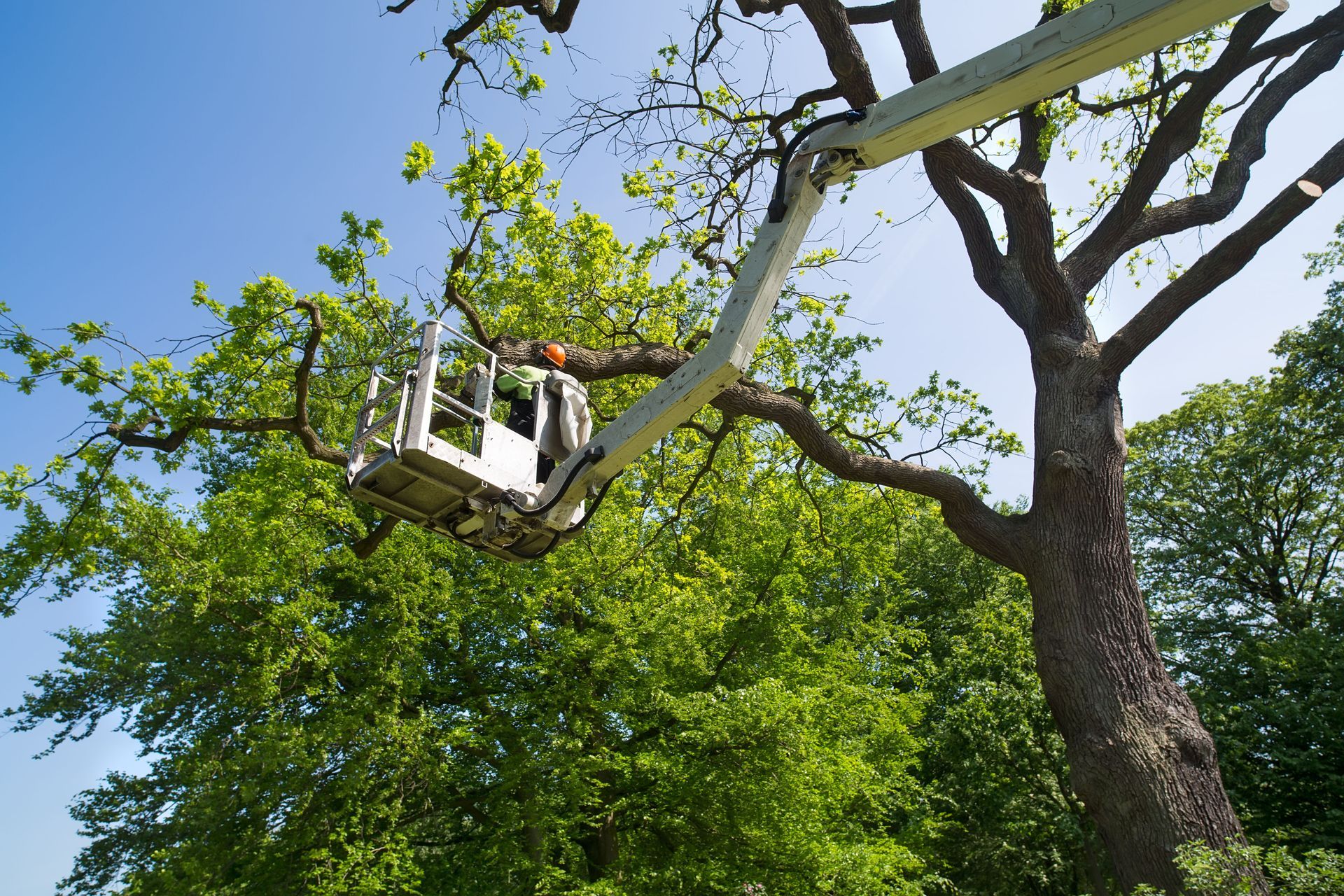
Trees that receive consistent pruning are less susceptible to damage from severe weather events. By removing weak or vulnerable branches, the risk of breakage under the stress of heavy winds or ice storms is minimized. Furthermore, pruning helps in managing the tree's size, ensuring it remains safe and attractive in its environment. Trimming not only benefits the tree but also enhances safety for people and property. Mature trees, when properly pruned, stand as resilient guardians against the elements and contribute positively to their surroundings.
1.2 Detecting and Managing Diseases
Consistent maintenance allows for the early detection and management of diseases in mature trees. Just as with any living organism, trees are susceptible to diseases that can significantly impact their health if left undetected. Regular inspections by professionals can identify symptoms of common tree diseases such as fungal infections or bacterial blights. Early intervention prevents the progression of diseases that could otherwise lead to decay or death of the tree. Through timely treatment and management, the health and longevity of mature trees are safeguarded.
Disease management often involves both remedial and preventive measures. For instance, ensuring proper nutrition and brightness of the soil around the tree can bolster its natural defenses against pathogens. Environmental adjustments, such as managing moisture levels and maintaining appropriate spacing between trees, can also reduce disease risks. Integrated pest and disease management programs can also be part of a comprehensive tree care strategy. By implementing these strategies, the vitality of mature trees is protected, allowing them to continue providing their myriad benefits.
Infected trees pose not only a risk to themselves but also to nearby plant life and the larger ecosystem. Diseases can spread quickly in dense forests or urban tree environments, making ongoing monitoring and management crucial. Employing knowledgeable arborists to assess tree health regularly ensures that any threat is swiftly addressed and mitigated. This proactive approach reduces potential economic losses associated with tree removal or replacement. Ultimately, maintaining tree health through vigilant disease management is essential for sustaining the ecological balance and beauty they provide.
1.3 Nutrient Management and Soil Enhancement
Healthy soil is the foundation of robust tree health, necessitating ongoing nutrient management and enhancement efforts. Mature trees require consistent access to essential nutrients that keep them thriving over the years. Soil testing can identify nutrient deficiencies or imbalances, informing appropriate fertilization practices. By adjusting the nutrient profile of the soil, arborists can optimize tree health, supporting lush foliage and overall vigor. Consistent maintenance of soil quality ensures that trees have the nutrients necessary to resist diseases and environmental stressors.
Organic matter, such as mulch or compost, plays a critical role in maintaining soil health and fertility. Mulching helps to conserve moisture, regulate soil temperature, and improve soil structure—all essential for long-term tree health. By incorporating regular mulching into maintenance practices, the health and growth of tree roots are supported, leading to a more resilient tree. Additionally, organic mulch slowly releases nutrients as it breaks down, providing a sustainable source of nourishment for the tree. This ecological synergy between soil and tree contributes significantly to the tree’s ability to thrive.
Soil compaction is another factor that can inhibit tree health if not addressed through consistent maintenance. Compacted soil limits root expansion, reducing access to air, water, and essential nutrients. Utilizing practices such as soil aeration ameliorates compaction and enhances nutrient absorption, directly benefiting tree vitality. Improving soil conditions not only supports individual mature trees but also enhances the broader landscape by fostering biodiversity and ecological resilience. Effective nutrient management and soil enhancement reflect the tree health and environmental stewardship.
1.4 Managing Pests and Insects
Managing pests and insects is an integral component of maintaining the health of mature trees. Pests such as aphids, beetles, and caterpillars can cause significant damage to trees by feeding on leaves, bark, or roots. Regular inspections help identify pest infestations early, enabling prompt and effective response strategies. Using integrated pest management (IPM) techniques, such as biological control and habitat manipulation, can minimize pest impact while reducing chemical use. This approach emphasizes environmental health and tree resilience through sustainable pest control practices.
Beneficial insects, such as ladybugs and parasitic wasps, can naturally control pest populations through predation or parasitism. Promoting biodiversity in the surrounding environment encourages these beneficial species to thrive, enhancing the resilience of mature trees. Companion planting and offering habitats for natural predators can effectively deter pests without resorting to harmful pesticides. Such strategies not only protect tree health but also contribute to a more balanced and vibrant ecosystem. By focusing on biologically sound pest management, the overall health and sustainability of mature trees are supported.
Severe pest infestations can weaken trees, making them more susceptible to diseases and environmental stressors. Arborists and landowners can collaborate to monitor tree conditions, applying targeted interventions to mitigate pest threats. Through continued education and innovative pest management solutions, trees can remain robust and less vulnerable to damage. Proactive pest control not only secures the vitality of individual trees but also preserves the collective health of larger landscapes. Prioritizing pest management is critical for maintaining the aesthetic and ecological benefits that mature trees provide.
1.5 Watering Strategies for Mature Trees
Adequate watering is crucial for the sustained health of mature trees, necessitating thoughtful strategies tailored to their specific needs. Unlike young saplings, mature trees have extensive root systems that can access deep soil moisture, allowing for less frequent but more thorough watering. Understanding the tree's natural environment and specific species' needs aids in determining optimal watering schedules. During prolonged dry periods, supplementary watering is necessary to ensure the tree receives adequate hydration. These strategies maximize water use efficiency, promoting robust tree health over time. Be sure to reach out to Huckabee Tree Service today to learn more about our professional tree services!