March 20, 2026
Trees add beauty, shade, and value to a property, but there are times when removal becomes necessary for safety, health, or property maintenance. While many homeowners may initially consider handling the task themselves, tree removal is far more complex than simply cutting down a trunk. Several important factors must be evaluated before any work begins, including the tree’s health, its location, and the potential risks involved. Ignoring these considerations can lead to property damage, personal injury, or costly mistakes.
Professional tree removal services take a careful and strategic approach to evaluating trees before deciding on the best course of action. Certified arborists are trained to identify hidden structural problems, assess environmental risks, and determine whether removal is truly necessary or if other solutions may help preserve the tree. Their experience allows them to safely manage situations that might otherwise become dangerous or unpredictable for homeowners.
The Condition of the Tree
Identifying dead or diseased trees is essential before proceeding with any tree removal process. Dead trees present a significant hazard, especially in high wind or storm conditions, where they can easily be uprooted or cause damage by falling. Disease can substantially weaken trees, making them unstable and at risk for collapse. Symptoms to look for include discolored leaves, a fungus-infested trunk, or visible decay. It is crucial to have a professional arborist assess a tree's health, as the appropriate response may range from treatment to full removal.
Diseases can spread from an infected tree to nearby healthy ones, causing more extensive landscape damage. Catching the problem early can potentially save surrounding trees and reduce overall removal costs. Experts have the necessary experience to identify less obvious signs that may escape an untrained eye. Visual clues like peeling bark, sudden leaning, or significant thinning can suggest an issue requiring professional intervention. Consulting a professional can provide peace of mind and ensure necessary action is taken in a timely manner.
Dead or diseased trees can also become hosts for pests like termites or beetles, further compromising tree integrity. Hiring a professional to evaluate the extent of the disease and potential pest activity is crucial in forming a complete understanding of a tree's condition. Instead of risking an incorrect assessment, which might result in partial removal or unnecessary costs, professionals can guide homeowners towards the most financially viable and effective solution. Moreover, accurately diagnosing a tree's condition may mitigate further hazards or prevent the infestation from spreading within your landscape.
Understanding and identifying structural weaknesses in trees is crucial for assessing potential risks. Structural weaknesses can lead to unpredictable behavior of the tree during removal, such as collapsing unexpectedly or falling in unintended directions. Some weaknesses are visible, such as large splits in the trunk or substantial root damage. However, other issues, like internal decay, require professional expertise to accurately diagnose. Ignoring these weaknesses can lead to dangerous situations both during and after removal.
Safety Concerns and Risks
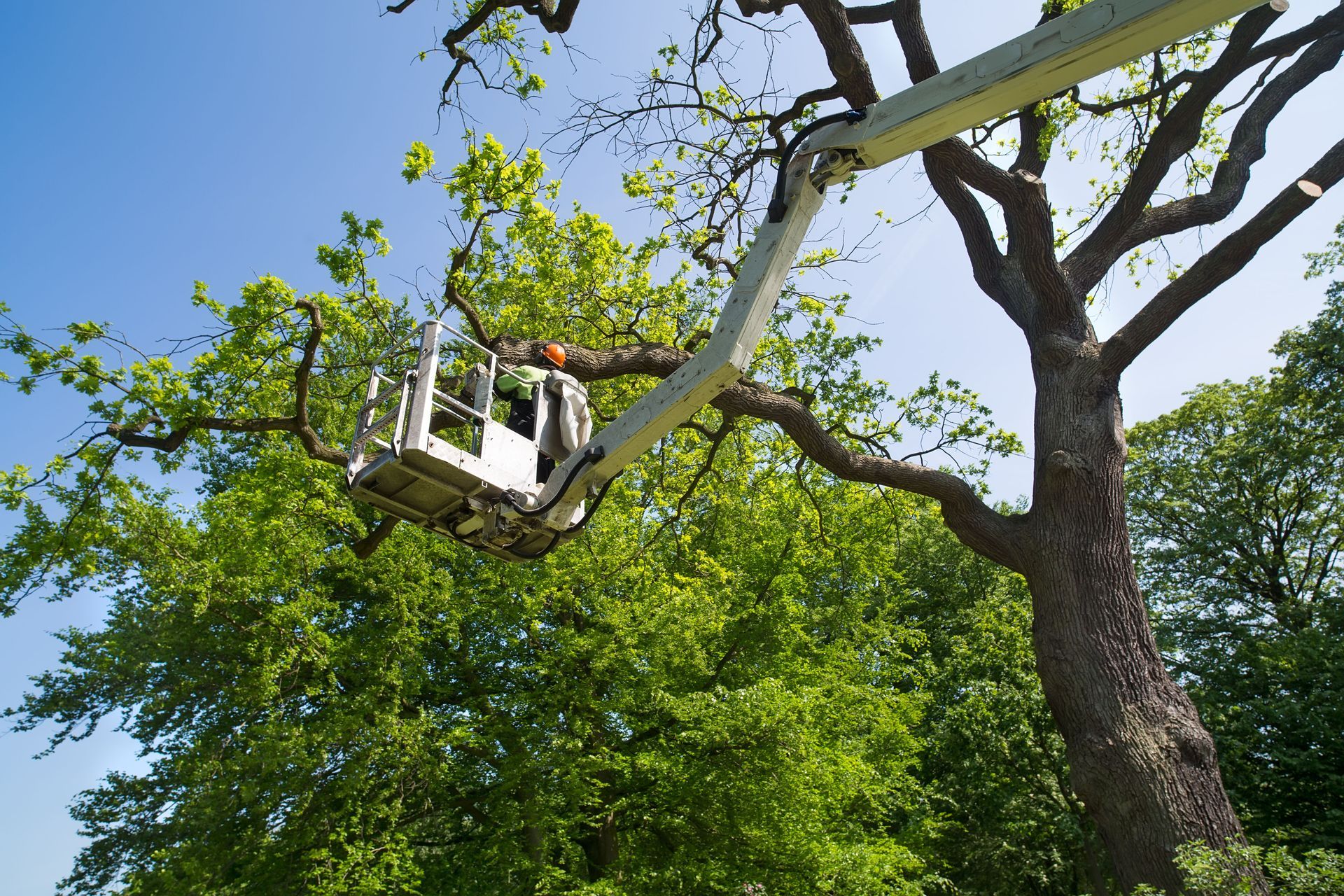
Removing trees near power lines presents significant safety challenges that necessitate professional intervention. The risk of electrical shock or fire from handling trees too close to live wires demands specialized skills and equipment. Experts are trained to navigate these situations safely, recognizing how to manage the proximity without compromising safety or causing outages. Specialized equipment, such as insulated tools and elevated work platforms, ensures the professional removal is conducted without unnecessary risk. Crucially, they adhere to regulatory standards and safety protocols, protecting both personnel and property during the removal process. According to This Old House, depending on the size and type of tree, tree removal can take as little as 15 minutes or as long as a few hours.
Attempting tree removal near power lines without professional help increases the risk of utility service disruptions. Tree contact with power lines can lead to lines being brought down, cutting electricity to multiple homes, and creating hazardous conditions. Licensed professionals understand the procedures required to safely work in these areas and can effectively mitigate any associated risks. They liaise with utility companies when necessary, coordinating efforts to minimize downtime while ensuring safe removal. This collaborative approach emphasizes safety while addressing the necessary logistics of removal in sensitive areas.
Beyond immediate safety, professionals also help guide decisions around preventive maintenance and tree replacement near power lines. They provide insight into planting guidelines, advising which species and placements minimize the risk of future interference. These proactive measures help manage long-term growth near infrastructure, reducing potential hazards and maintenance costs. Professionals can also ensure tree trimming is conducted in a manner that preserves tree health while complying with local and utility company regulations. The professional approach ensures freedom from accidents and promotes informed, responsible landscaping decisions around sensitive utility areas.
The potential for property damage is a critical concern driving the decision to hire professional tree services. Large trees pose a risk to houses, fences, vehicles, and other structures, requiring careful planning and specialized techniques for removal. Professional arborists assess environmental factors such as wind direction, sloped terrain, or nearby structures to devise a comprehensive removal strategy. This planning minimizes the risk of falling branches or trunks causing damage during removal, ensuring that operations proceed smoothly. An untrained attempt at tree removal could incur significant repair costs or lead to accidental injury, underscoring the value of hiring professionals.
Local Regulations and Permits
Understanding local tree removal laws is critical for ensuring compliance and avoiding potential penalties or disputes. Numerous jurisdictions have varying regulations on how and when trees may be removed, often based on species, size, or historic value. These regulations are designed to protect biodiversity and ensure conscientious land stewardship. Professionals keep abreast of these laws, ensuring that removal processes align with local mandates. Failure to comply may result in fines or forced restoration, highlighting the importance of verifying legal obligations before undertaking tree removal.
Local ordinances may require homeowners to obtain permits or conduct environmental assessments before removal, reflecting broader community protection policies. Not all tree species may freely be removed; some necessitate specific justification or consultation with local authorities. Professional tree services offer critical insight into these legal requirements, proofreading all necessary documentation and consulting on the specific regional criteria involved. Their expertise ensures adherence to city planning requirements, complete with structured plans to remove and replace certain species inadequately accounted for by homeowners. Understanding these regulations serves dual purposes, safeguarding local environments while avoiding potential legal clashes from noncompliance.
To navigate various regulations, collaborating with professional services offers significant benefits. This avenue provides access not only to legal advice but also enriches strategic planning around the specific context of removal needs. With professionals acting as intermediaries, the complexities of zoning laws or protected status discussions become more straightforward, informed by expert guidance. This partnership enhances stakeholders' ability to balance personal goals with compliance responsibilities, demonstrating a willingness to engage with legal frameworks designed for public welfare. Ultimately, understanding and adhering to legal requirements form an integral part of professional tree removal's holistic approach, endorsing sustainable practices and responsible citizenship.
If you have concerns about a tree on your property—whether it appears diseased, unstable, or dangerously close to structures—it’s a good idea to seek expert advice. Huckabee Tree Service can evaluate the situation and help determine the safest and most practical next steps. Reach out to a trusted tree service in your area today to schedule an inspection and ensure your landscape remains both safe and healthy for years to come.