November 19, 2026
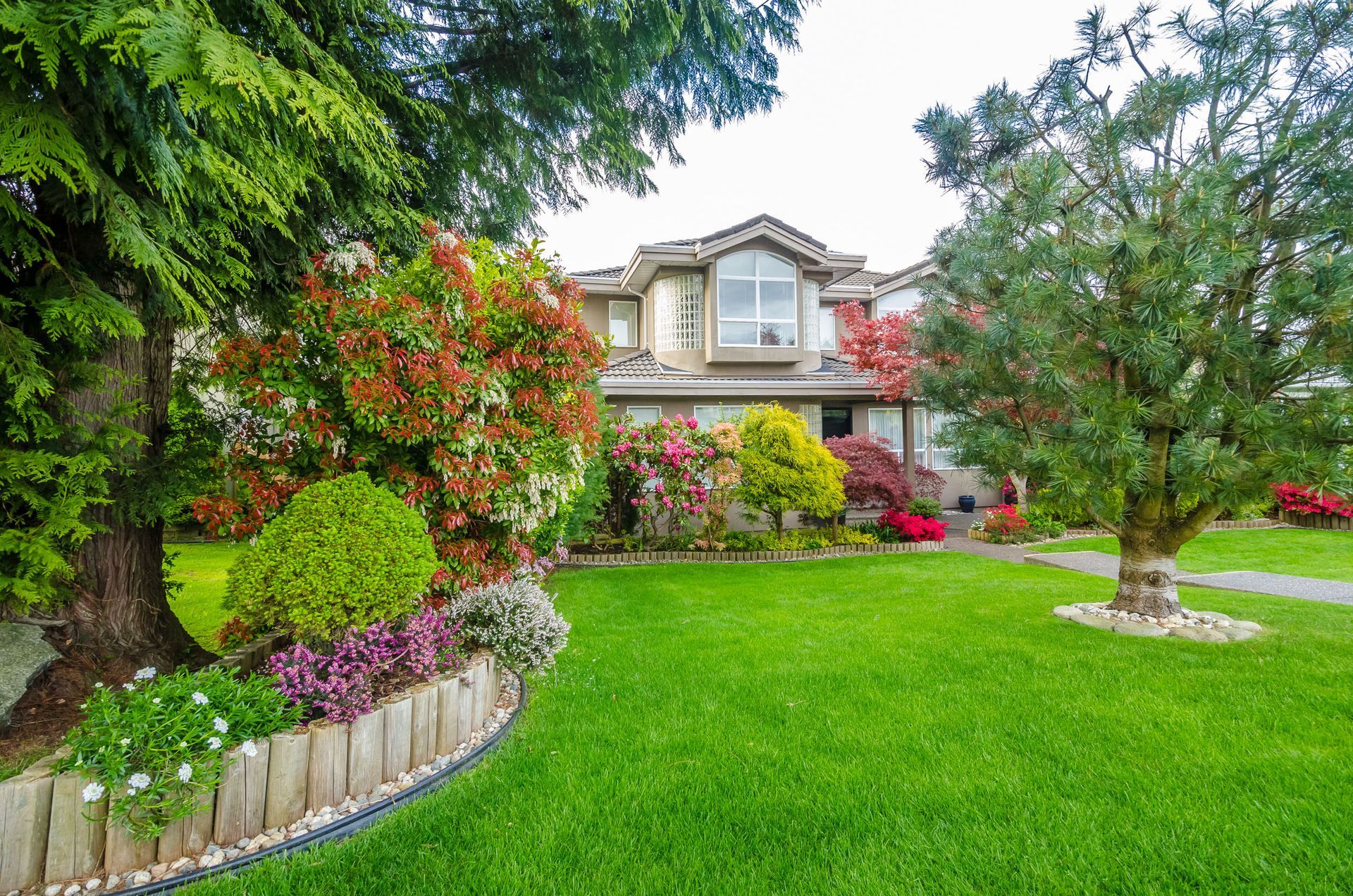
Trees bring beauty and shade to any residential landscape. They anchor your yard and provide a habitat for wildlife. Most homeowners appreciate having mature foliage on their property. However, nature is unpredictable, and these plants require consistent monitoring. A healthy landscape is a wonderful asset, but ignoring warning signs can lead to structural damage. People frequently overlook subtle changes until a severe storm hits.
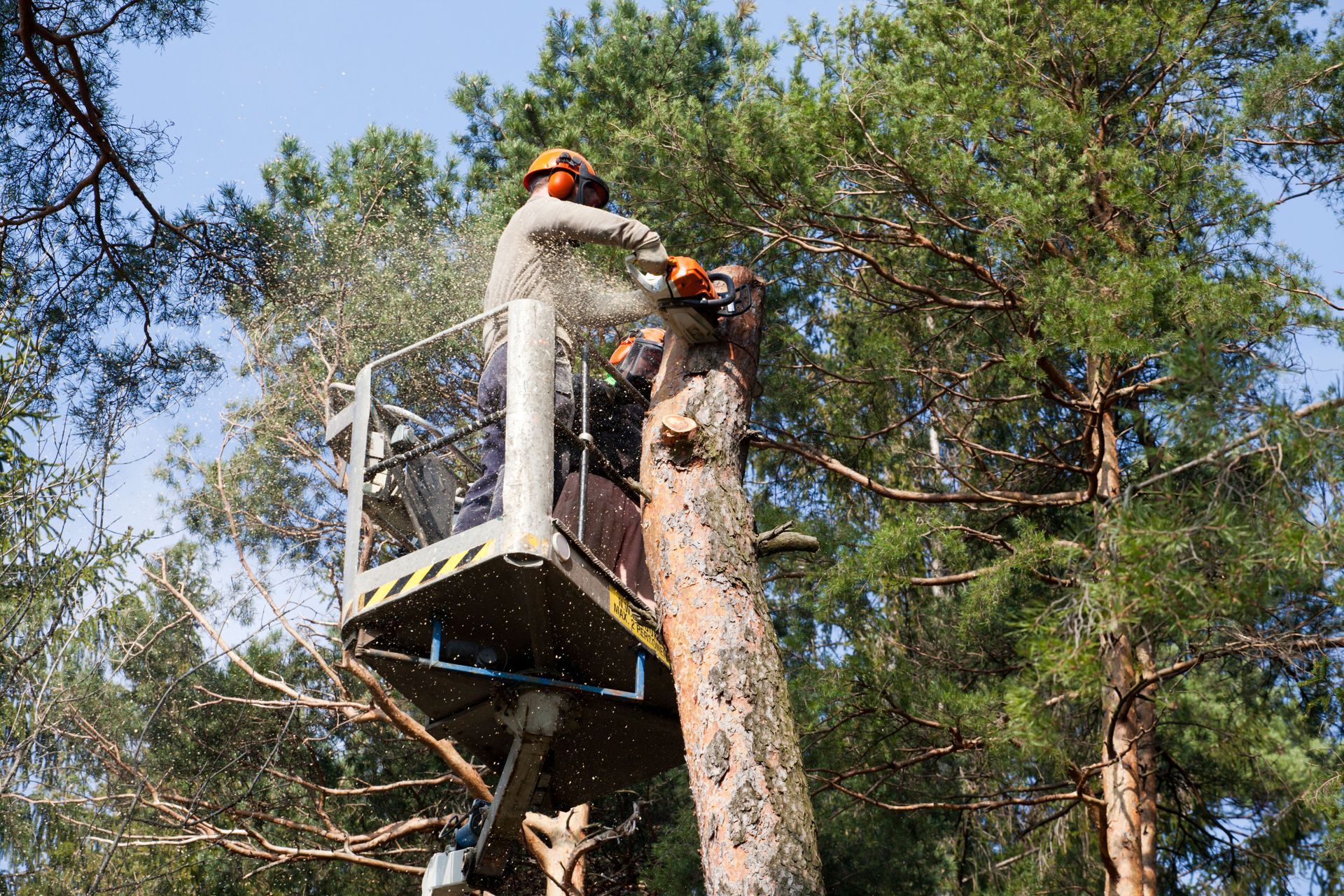
Recognizing potential dangers early is an effective way to protect your property and loved ones. When you know what symptoms to look for, you can address issues before a heavy branch crashes through a window. Sometimes, a trunk looks fine during a quick glance but hides deep rot underneath the bark. Understanding these visual red flags helps you make informed decisions. Identifying an issue early might mean saving the plant, or realizing you need a local tree removal service to safely eliminate the threat. Learning these indicators provides lasting peace of mind.
1. Noticeable Leaning or Shifting in the Soil
A slight lean isn't always a reason to panic. Some trees naturally grow at an angle to reach sunlight. However, a sudden shift in posture is a major warning sign. If a trunk tilts after a heavy rainstorm, the root system is likely failing. When roots lose their grip, the structure becomes unstable, and local tree removal becomes a necessary consideration.
Pay close attention to the ground immediately surrounding the base of the trunk. If you see heaving soil or exposed roots on the side opposite the lean, the tree is actively uprooting. This happens when the earth becomes too saturated to hold the roots secure. A cracking sound from the base is another clear indicator of instability.
According to Lawn Love, trees that reach at least 60 feet in height are considered tall. When a towering specimen of this size starts to lean, the risk to your house increases significantly. The weight pulling away from its center of gravity creates a dangerous situation. A sudden fall can crush a roof in seconds.
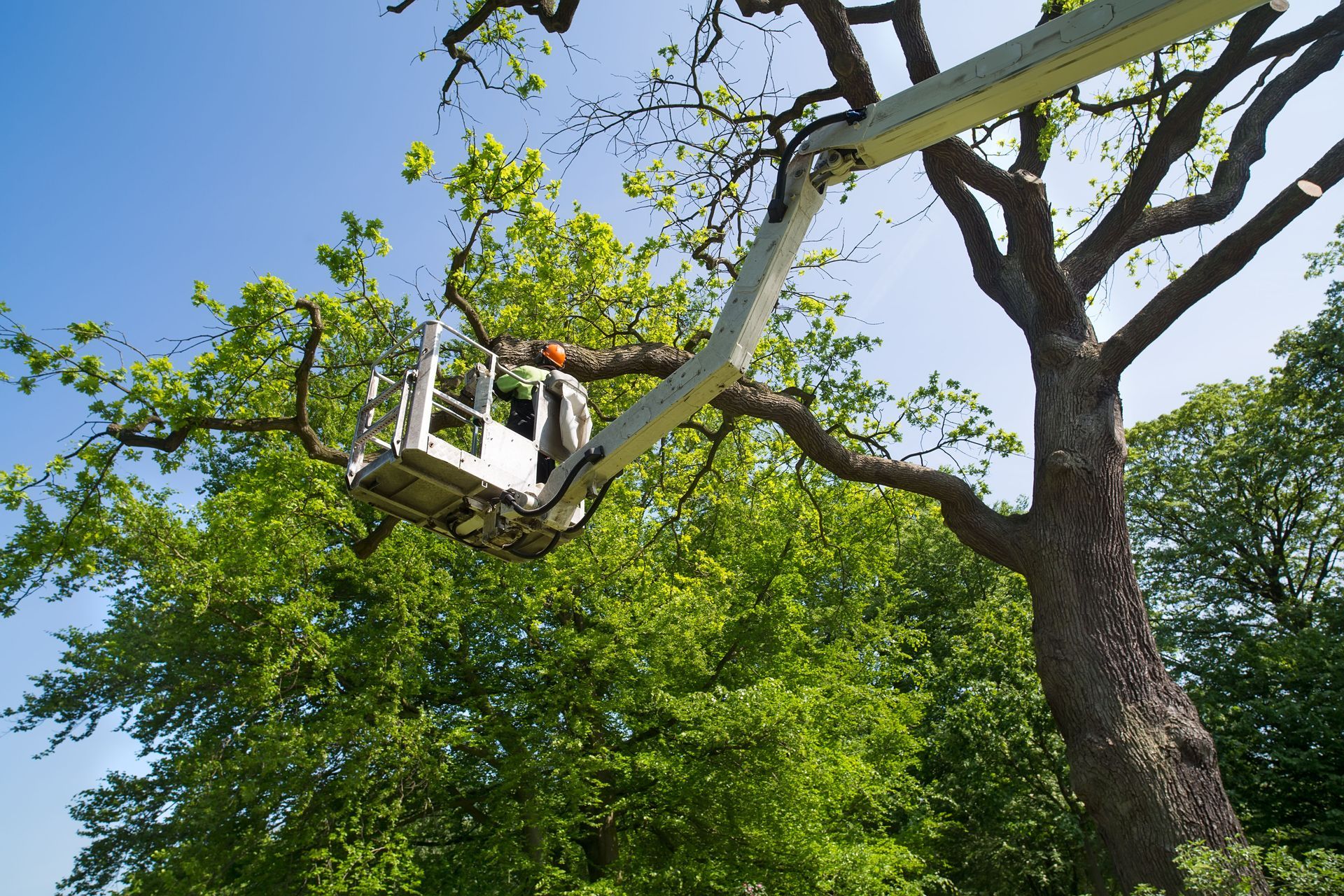
Taking quick action is essential when you spot a new lean accompanied by lifted soil. Clear the area and keep children away from the drop zone. Assessing root failure requires a trained eye, making it a smart time to seek professional options. Experts have the equipment to dismantle a leaning hazard safely.
2. Visible Dead Branches and Falling Limbs
Healthy foliage produces flexible branches that can withstand moderate wind and rain. As a tree declines, it stops sending nutrients to its outermost extremities, resulting in dead wood. These lifeless branches lose their bark, turn dry, and become brittle over time. You might notice them snapping off easily or dropping into your yard on a clear day.
A few small twigs falling are normal, but large limbs dropping unexpectedly pose a significant risk. These heavy pieces of wood act like unguided missiles when they fall from high in the canopy. In severe cases, scheduling a local tree removal is the only way to prevent them from damaging vehicles or injuring someone below. A canopy filled with leafless branches is a strong indicator of declining health.
The location of these dead branches tells a story about overall stability. If the dead limbs are concentrated on one side, it creates an uneven weight distribution. This imbalance puts extra stress on the root system, making the plant susceptible to wind damage. Furthermore, dead wood attracts pests that accelerate decay.
Homeowners should routinely inspect their canopies from different angles to spot brittle hazard zones. If you see a large hanging limb or the crown dying back, you must address it promptly. Extensive dieback points to terminal decline. In cases where the branches are hazardous, scheduling professional help is the safest route.
3. Severe Cracks and Deep Cavities in the Trunk
The trunk is the main support pillar for everything above ground. When the trunk is compromised, the stability of the entire plant is in jeopardy. Small, shallow cracks are common as a tree expands over the years. However, deep splits that extend into the wood layer indicate severe structural weakness you can't afford to ignore.
Vertical cracks running down the main stem often occur due to extreme temperature fluctuations or lightning strikes. These deep wounds weaken the load-bearing capacity of the wood, making it prone to snapping under its own weight. If a split goes through a junction where two branches meet, the plant is tearing itself apart.
Deep cavities and hollowed-out sections are another glaring sign of danger. While a small hole might house a squirrel, a massive cavity means the interior wood is rotting away. You might notice sawdust at the base of the trunk. Without solid wood in the center, the trunk lacks the strength to endure strong weather, prompting many to arrange a local tree removal before storms hit.
Evaluating a hollow cavity often requires special tools to measure the remaining solid wood. If more than a third of the trunk is hollow or cracked, the risk of sudden failure is high. Trying to brace a decayed trunk is a temporary fix. To eliminate the risk of collapse, property owners often rely on professionals.
4. Advanced Root Decay and Fungal Growth
What happens below the ground is just as vital as what happens up in the canopy. Roots gather water and hold the weight of the trunk steady. Root decay is tricky to spot because it happens under the soil, but there are clear clues left on the surface. Fungal growth around the base indicates the root system is rotting.
Mushrooms growing directly on the lower trunk or sprouting in a ring around the base are a major red flag. These fungi feed on decaying organic matter, meaning they are actively consuming the dead roots. As the fungi multiply, the root system loses its structural integrity. A plant with widespread root rot has little anchoring it to the earth.
In addition to mushrooms, you might notice the surrounding soil feeling spongy or see the base of the trunk becoming soft. Peeling bark near the soil line and unusual discoloration are symptoms of advanced decay. Once the root system is compromised by rot, it can't recover or regrow enough to support the canopy. The situation becomes dangerous during storm season.
Unfortunately, root decay is usually irreversible by the time visible fungi appear in the yard. The damage has already spread throughout the underground network, leaving the plant highly unstable. Calling for a local tree removal assessment will confirm the extent of the rot. Before the next windstorm arrives, you need to evaluate the area and establish a safety perimeter.
Maintaining a beautiful yard requires vigilance and a willingness to act when nature poses a threat to your property. Ignoring the warning signs of structural failure won't make the problem disappear. Whether you spot a dramatic lean, brittle dead branches, deep trunk cavities, or fungal growth at the base, these indicators require immediate attention. Sometimes, local tree removal is the only viable option. Recognizing these symptoms early lets you manage the situation on your own terms rather than reacting in a panic during an emergency. Taking proactive steps ensures your landscape remains secure throughout every season.
Safety should always be your top priority when dealing with large, unstable timber in your yard. While it's tough to say goodbye to a piece of your landscape, leaving a hazardous trunk standing isn't worth the risk. Addressing the problem quickly protects your family and preserves the overall health of your surrounding property. When you identify these severe warning signs, reaching out for professional assistance is a smart move you can make. Experts will clear the danger efficiently, leaving your yard safe, clean, and ready for new growth.
If you notice any of these serious warning signs in your yard, contact Huckabee Tree Service today to schedule your
local tree removal before the next storm hits.